


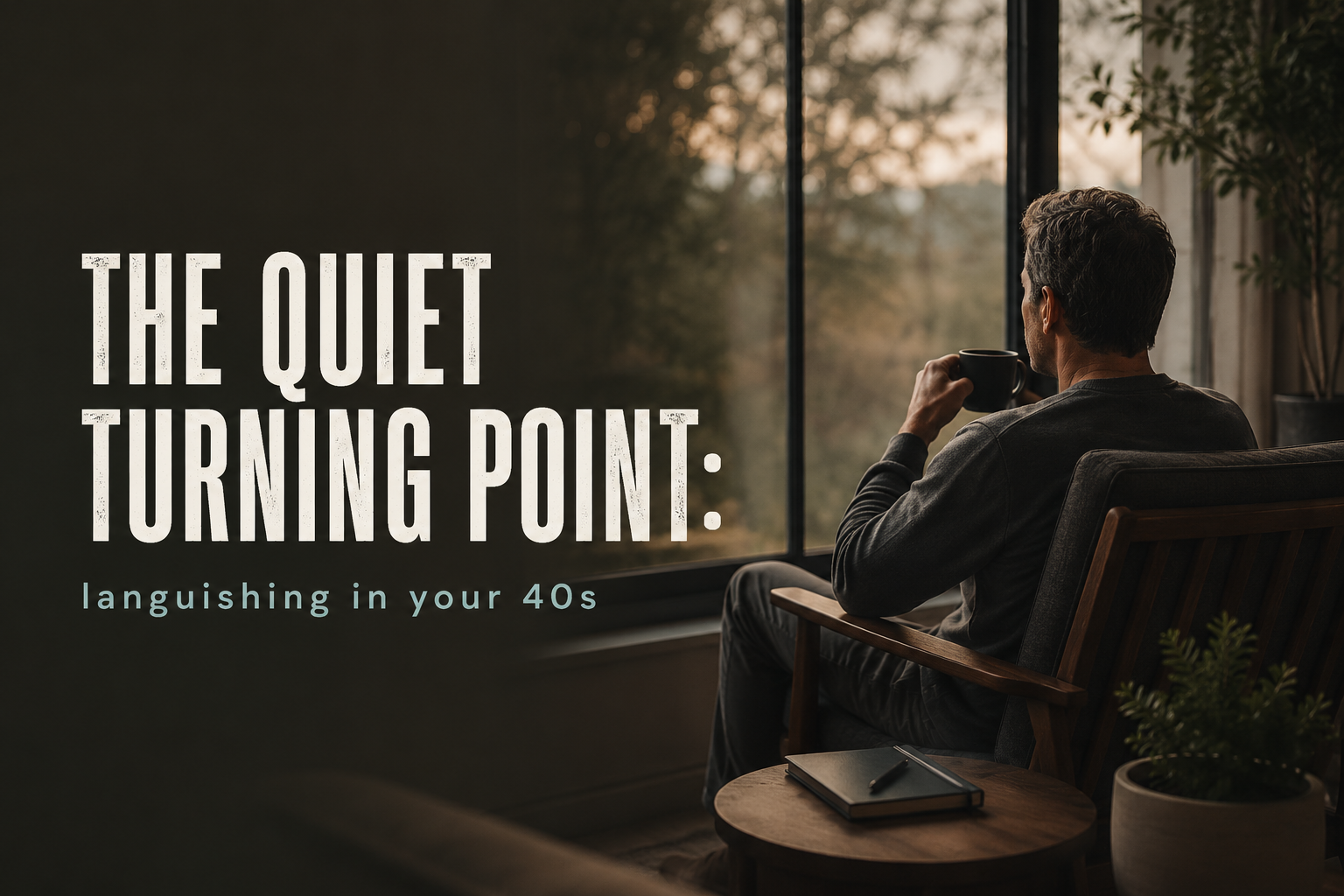
The Quiet Turning Point: What Languishing Looks Like in Your 40s
Your 40s are often portrayed as a time of decline, but research tells a more hopeful story. For many, this decade becomes a turning point toward greater self-knowledge, meaning, and fulfillment—unless lingering stress, responsibility, and emotional exhaustion quietly give way to languishing.
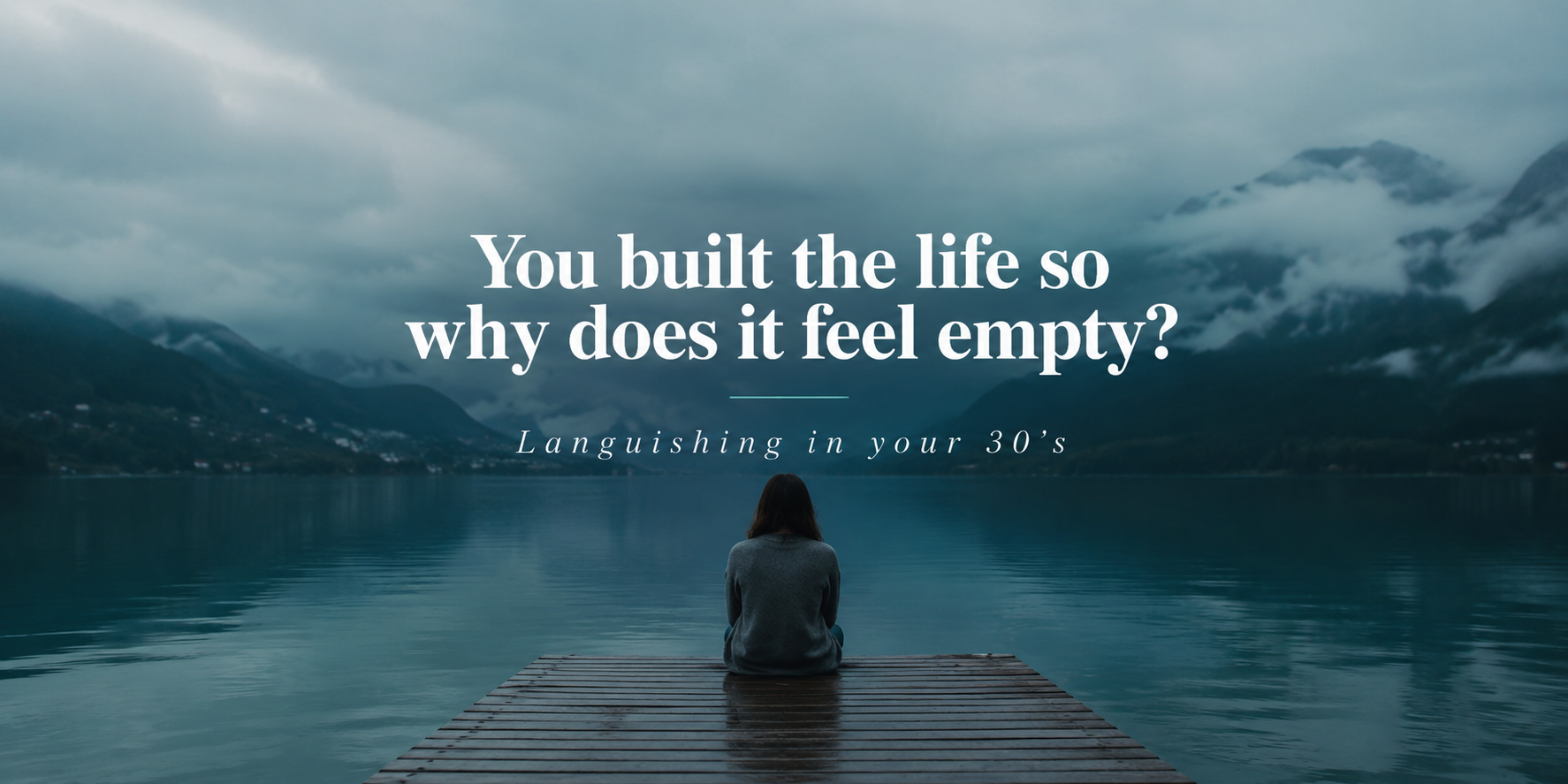
You Built the Life. So Why Does It Feel Empty? Languishing in Your 30s
By your 30s, it's surprisingly common to reach the goals you've worked toward. Career, relationships, family and still wonder why life feels flat. This quiet sense of languishing often reflects a gap between the person who made those choices and the person you're becoming, not a sign that you've failed.

Are You Drifting? What Languishing Looks Like in Your 20s
Feeling disconnected, unmotivated, or stuck despite having your whole future ahead of you? Learn what languishing looks like in your 20s and why so many young adults quietly experience it.
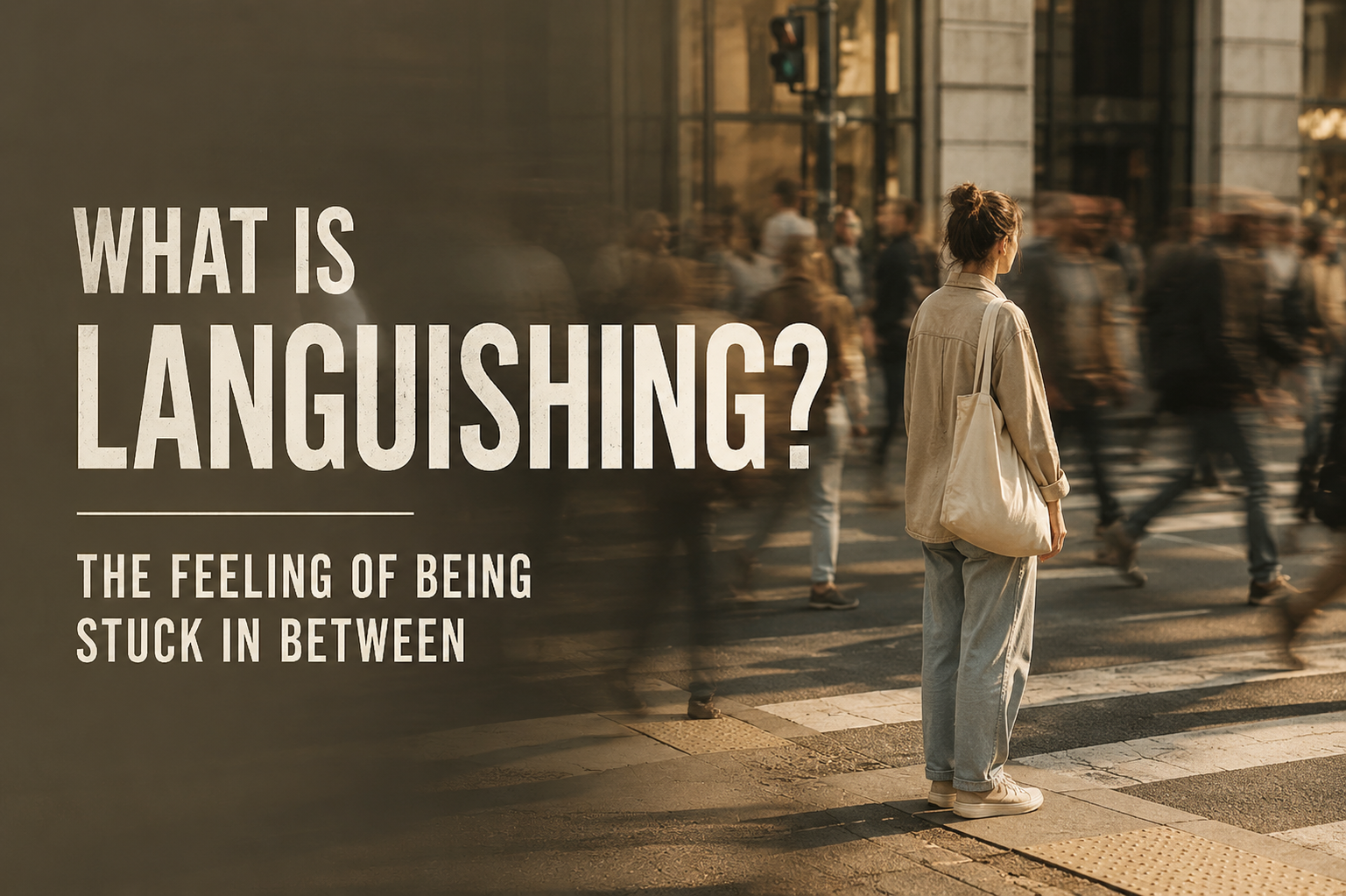
You Don't Feel Depressed. But You Don't Feel Like Yourself Either.
You’re getting through the day. You’re doing what needs to be done. But something feels off, and you can’t quite explain why. If you’ve been feeling disconnected, unmotivated, or stuck in between, you may be experiencing something called languishing.
Narrative Therapy: Rewriting the Story You’ve Been Living
Narrative therapy helps you step back from the stories you’ve been telling about yourself and see them more clearly. Instead of feeling defined by anxiety, self-doubt, or past experiences, you can begin to understand where those narratives came from and start reshaping them into something more accurate and empowering.
How Therapy at Resilience Rising Can Help When You Feel Lost in Your 20s
Feeling lost in your 20s is more common than people admit. Therapy at Resilience Rising can help you understand your patterns, manage anxiety about the future, and build a life that actually feels aligned with who you are.
Learning Self-Acceptance in Your 20s (When It Feels Like Everyone Else Has It Together)
Your 20s are often seen as the time when everything should start coming together. But for many people, it feels like the opposite — a period filled with uncertainty, comparison, and pressure to have it all figured out. This article breaks down what self-acceptance actually looks like during this stage of life, and why you’re not as behind as you think.

Why So Many People Feel Lost in Their 20s (And Why It’s More Normal Than You Think)
Feeling lost in your 20s is more common than most people realize. This stage of life isn’t about having everything figured out, it’s about building your identity in real time. Career uncertainty, shifting friendships, complicated relationships, and constant comparison can make it feel like you’re falling behind. But from a psychological perspective, this confusion is not a failure, it’s a normal and necessary part of development.

Self Compassion Is A Practice Of Remembering Our Common Humanity
Many of us were taught to push through pain and hold ourselves to impossible standards. This article explores how self-compassion helps shift that inner voice from criticism toward understanding, creating space for growth, accountability, and healing.
Mindfulness Is Not About Perfection. It Is About Presence.
If you have ever felt like you are “bad” at mindfulness, you are not alone. Mindfulness is not about perfection. It is about gently returning to yourself with curiosity, compassion, and presence.

Make This the Year You Are You
Many people enter the New Year wanting change, only to feel discouraged when progress slows. Therapy helps bridge the gap between intention and action by offering clarity, accountability, and deeper self-understanding. With the right support, growth becomes less about willpower and more about working with yourself, not against yourself.
Meaningful Ways to Practice Self-Care During the Holidays
For many people, the holidays can feel overwhelming rather than restorative. Between expectations, family dynamics, and busy schedules, self-care becomes less about indulgence and more about survival. These simple, realistic practices are meant to help you move through the season with greater clarity and compassion.

The Relationship with YOU.
The most important relationship men ignore and why everything changes when you take full responsibility for it. Men are often experts at taking responsibility for everything outside of themselves. Bills. Work. Crisis cleanup. Being the steady one. But taking responsibility for your inner world, including the thoughts you rehearse, the stories you believe, the way you speak to yourself, the way you take care of yourself almost never makes the list.