
Finding a therapist you can be fully yourself with is not a small thing. Not having to explain yourself, not having to manage someone else's understanding of your experience, not having to wonder whether the person across from you actually gets it. That's what this space is for.
LGBTQ+ Therapy in Chicago — Alberto Gonzalez, LCSW
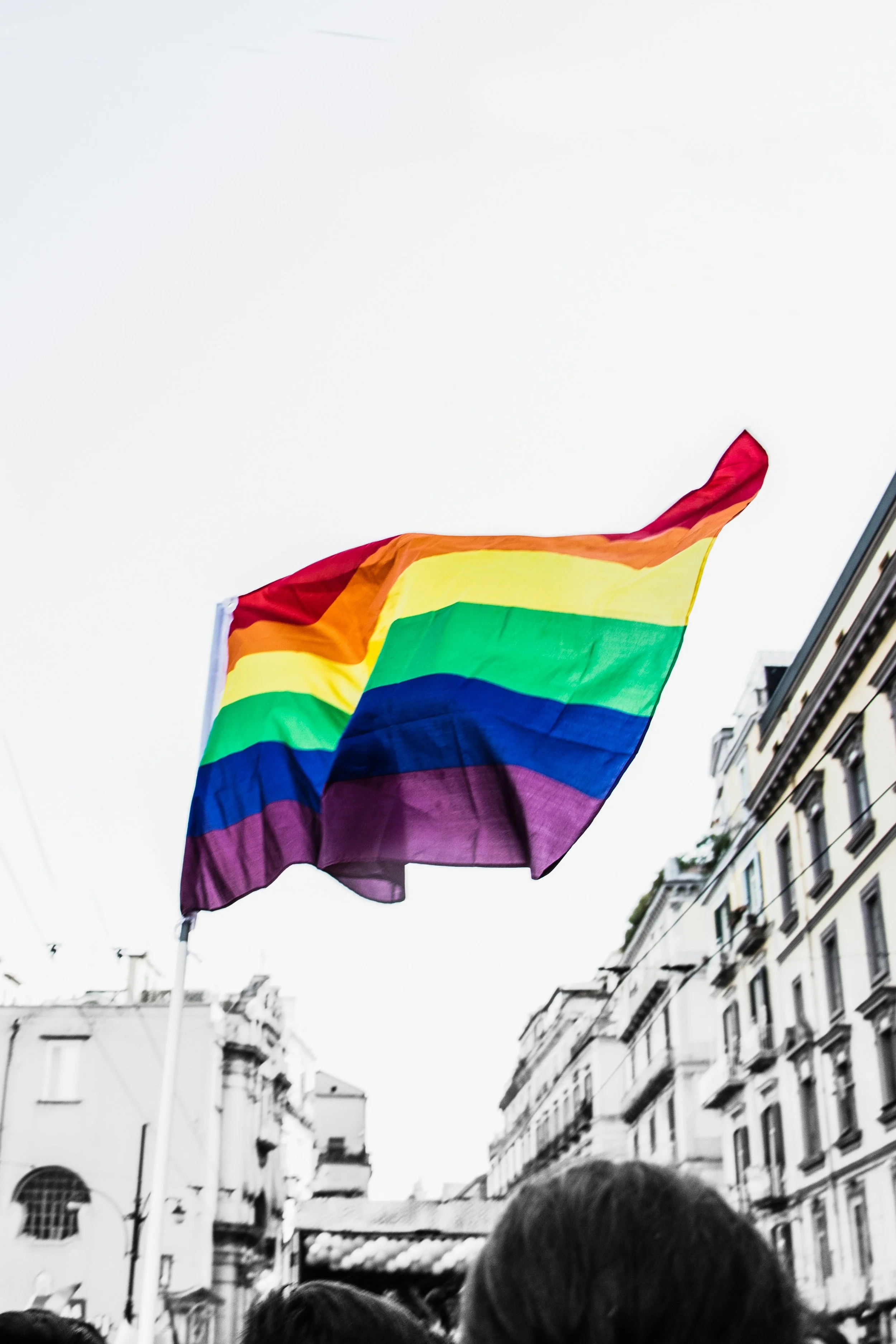
-
The experiences that bring LGBTQ+ people to therapy are as varied as the community itself. But there are threads that run through a lot of them.
The experience of navigating a world that wasn't built with you in mind. Of code-switching between spaces where you're fully out and spaces where you're not. Of carrying the cumulative weight of microaggressions, assumptions, and moments of erasure that individually seem small and collectively take a real toll.
The experience of family. The relationships that accepted you and the ones that didn't. The grief of rejection from people who were supposed to love you unconditionally. The complicated gratitude of being tolerated when you wanted to be celebrated. The loneliness of sitting at a family table where a significant part of who you are goes unacknowledged.
The experience of identity. Figuring out who you are in a culture that has historically told you that who you are is wrong, broken, or not enough. The internalized shame that gets absorbed before you have any framework for questioning it. The work of unlearning that shame, which is real and ongoing and deserves real support.
The experience of relationships. Navigating intimacy, commitment, and connection in a community that is still building its own models for what those things look like. The particular complexity of queer relationships that don't always have a roadmap to follow.
For LGBTQ+ people of color there is another layer. The experience of belonging fully to neither the LGBTQ+ community nor the community of your cultural background. Of navigating racism within queer spaces and homophobia within cultural spaces. Of holding multiple identities that the world often treats as incompatible.
All of it is real. All of it deserves a space.
-
LGBTQ+ affirming therapy with me starts from a foundation of genuine acceptance. Not the performed kind. The kind that comes from actually understanding what you're navigating and meeting you there without agenda.
I don't approach LGBTQ+ identities as something to be explained or processed. They are part of who you are. The work is everything else. The anxiety, the depression, the relationship challenges, the family dynamics, the career questions, the identity questions, the weight of living in a world that hasn't always made space for you. All of that gets worked on in a space that doesn't require you to justify your existence before we can get to it.
We look at the internalized shame that almost everyone in the LGBTQ+ community carries to some degree. The messages absorbed early about what was acceptable, what was normal, what was allowed. Those messages don't disappear when you come out or when you find community. They live in the body, in the patterns of self-judgment, in the relationships you choose and the ones you avoid. Understanding where they came from and building a different relationship with yourself is some of the most important work we do.
For LGBTQ+ clients who are also navigating cultural or racial identity the work gets more specific. The particular experience of being at the intersection of multiple marginalized identities deserves a therapist who understands that intersection from the inside. I do. And I bring that understanding into the room without making it the whole of what we work on.
We also look at the practical and relational challenges that are specific to LGBTQ+ experience. Coming out processes that are ongoing and context-dependent. Relationship structures that don't follow conventional scripts. Family dynamics that range from fully affirming to actively harmful. Workplace navigation. Community belonging. All of it is fair game.
My approach is warm, genuinely affirming, and built around who you actually are and what you actually need. Not a template for what LGBTQ+ therapy is supposed to look like.
-
The research on this is clear. LGBTQ+ people experience significantly higher rates of anxiety, depression, and other mental health challenges not because of who they are but because of what the world has communicated about who they are. That distinction matters. The problem is not inside you. The weight you're carrying has a source. And it can be put down.
When this work gets done something opens up. The shame that has been running quietly in the background starts to lift. The self-judgment quiets. The relationships in your life get more real because you can bring more of yourself to them. You stop managing how you're perceived and start actually inhabiting your own life.
-
I work with LGBTQ+ clients because I understand from the inside what it means to navigate spaces that weren't built for you, to hold multiple identities that the world sometimes treats as incompatible, and to do the work of becoming fully yourself in a context that hasn't always made that easy. That experience shapes how I show up in this work. You deserve a space where all of you is welcome. Life brings moments of joy and connection and it also brings pain, uncertainty, and stress. Your experience is unique to you and your emotions deserve a place to be seen and understood. I believe the relationship between therapist and client is where healing actually happens. Here, we name it, understand it, and reclaim your story.
-
Ready to take the next step? Schedule a free consultation with Alberto at our Logan Square and Avondale locations and see if it feels like a good fit.